Designing the Ideal Personalized Produce Boxes: A Progressive Guide
Developing custom produce boxes needs a deliberate strategy. Specialists must assess sustainability, functionality, and visual appeal. Choosing the appropriate components is crucial for preserving freshness and supporting eco-friendly methods. Additionally, dimensions and shape can greatly impact usability and shipping efficiency. Effective visual elements strengthen brand identity, while comprehensive assessment guarantees durability. Grasping these components will uncover vital knowledge into creating remarkable container approaches that appeal to consumers. What follows is fundamental to achieving those targets.
Choosing the Right Components for Custom Produce Boxes
When picking materials for custom produce boxes, it is critical to review both functionality and environmental impact. The decision of material considerably affects the box's durability, weight, and function to preserve the contents. Common materials feature corrugated cardboard, which supplies strength and is recyclable, making it a popular choice for eco-conscious matching information businesses. Decomposable options, such as molded pulp or plant-based plastics, also embrace eco-friendly practices while offering adequate protection for delicate produce.
Furthermore, water repellency is crucial for preserving quality, prompting some producers to investigate processed substrates or specialized coatings. The visual attractiveness of the box is important to consider, as packaging design and brand identity can influence consumer perception. Ultimately, the right material should strike a balance between safeguarding the product, appealing to customers, and meeting sustainability requirements, guaranteeing that practicality and eco-consciousness are emphasized in the development phase.
How to Find the Right Size and Shape for Practical Application?
When determining the size and shape of custom produce boxes, careful assessment of produce measurements is essential for proper storage. Additionally, considerations for movement and transportation can impact the box design, guaranteeing ease of movement. Optimizing storage space utilization further enhances functionality, enabling effective presentation and organization.
Assess Produce Dimensions Carefully
Selecting the right size and shape for produce boxes is essential for functionality and efficiency. Precise evaluation of item measurements is vital, as it ensures that items fit securely without unnecessary room that could result in damage during shipping and storage. Custom boxes need to handle various shapes, from delicate berries to large produce, while preserving physical strength. Additionally, the dimensions of the boxes should enable stacking and organization, maximizing space in storage areas. A properly constructed container not only safeguards the produce but also enhances aesthetic presentation for consumers. Ultimately, thoughtful evaluation of dimensions contributes to reducing waste and improving overall user experience in the supply chain.
Think About Handling and Transport
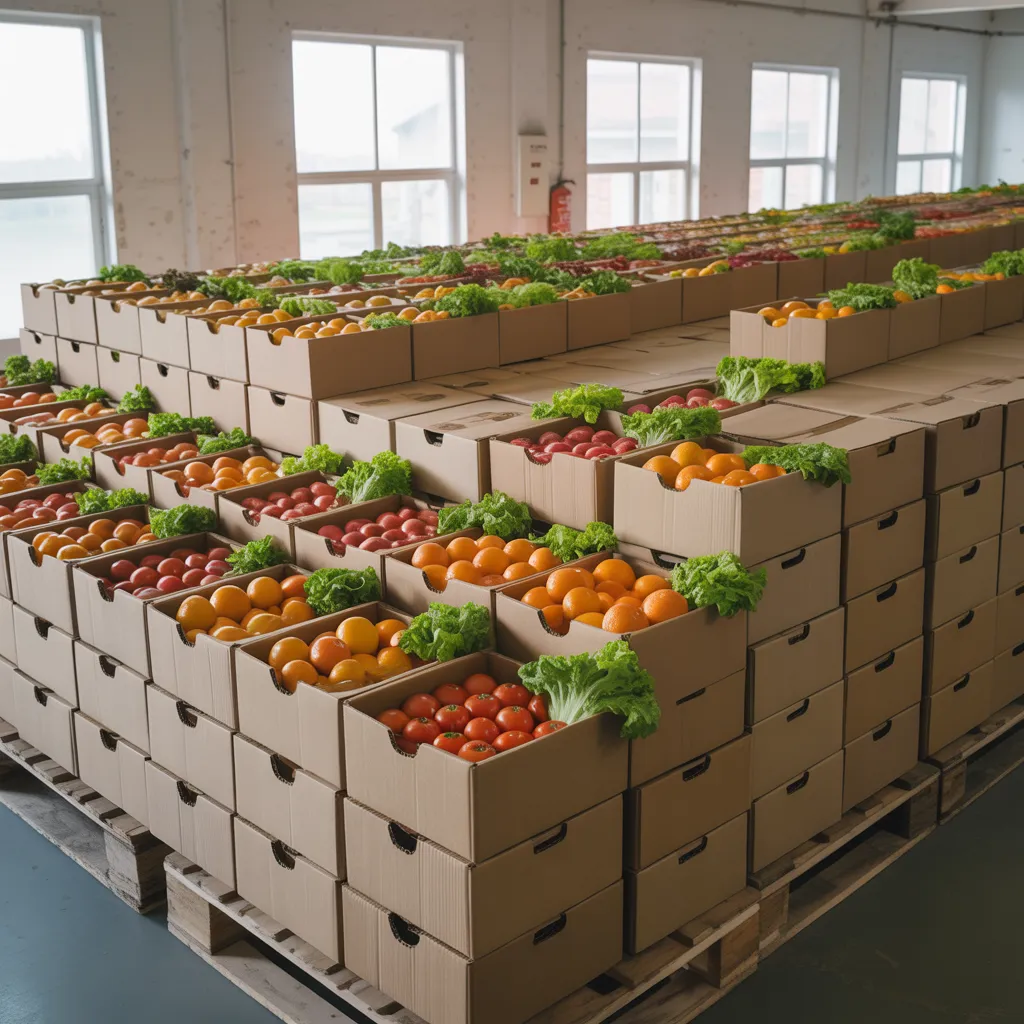
Handling and shipping factors play a significant role in establishing the appropriate size and shape of custom fresh product boxes. The dimensions must fit the fresh items without unnecessary space, which could lead to shifting and harm during transport. Compact, smaller boxes facilitate simpler handling, while bigger containers may be necessary for larger items. Additionally, proper ergonomic planning is essential; handles or openings should be strategically placed to allow for comfortable lifting and carrying. The shape of the box also affects arrangement and stability, guaranteeing that products remain protected. Ultimately, careful consideration of these factors improves the effectiveness of shipping, reduces product loss, and supports the overall integrity of the produce from farm to consumer.
Optimize Shelf Space Usage
Proper shelving management comes down to picking the ideal size and shape of bespoke produce boxes. Teams should examine the dimensions of the shelving units as well as the kinds of foodstuffs being stored. Box-shaped boxes often advance space efficiency, supporting for better stacking and alignment. However, distinctive shapes can amplify attractive appearance but may generate unutilized areas if not well planned.
It's crucial to assess the stock movement metrics; quick-selling products might benefit from compact, readily reachable containers. Furthermore, incorporating adjustable or modular designs can accommodate varying sizes of produce while improving shelf organization. By emphasizing practical design combined with visual appeal, businesses can develop a functional and attractive presentation that boosts both accessibility and product visibility.
How to Create Graphics That Grab Interest?
Impactful designs can transform a simple custom produce box into a remarkable display that captures attention. To succeed this, creative professionals should start by choosing a color palette that reflects the vitality and vibrancy of the produce. Bright, visually striking colors can stir emotions of freshness and fitness, driving consumers to take a closer look.
Strong typefaces remains crucial; readable typefaces can adeptly convey essential information while amplifying design value. Additionally, applying high-quality images of the produce can create an immediate connection, revealing the product's quality and engaging potential buyers.
Furthermore, incorporating distinctive visual elements and patterns can help set apart the brand in a busy market. Alignment in graphic components, such as logos and taglines, solidifies brand identity. Ultimately, a fusion of creativity and clarity in graphic design can greatly elevate the power of custom produce boxes, making them stand out on shelves.
Green Practices for Custom Produce Box Packaging
An increasing number of businesses are implementing eco-friendly practices for custom produce box packaging, recognizing its significance in today's eco-aware market. These practices often include the use of decomposable materials, such as recycled paper and plant-based plastics, which reduce environmental impact. Companies are also concentrating on responsible material sourcing, guaranteeing that materials are obtained from responsibly managed forests or suppliers who prioritize environmental stewardship.
In turn, numerous brands are choosing understated formats that minimize waste while still efficiently promoting their products. This technique not only resonates with eco-conscious consumers but also helps in reducing production costs. Moreover, businesses are steadily adopting efficient manufacturing processes that minimize energy consumption and waste generation. By incorporating these eco-friendly practices, companies not only enhance their brand image but also contribute positively to the planet, aligning their operations with a sustainable future.
Examine Your Custom Produce Box Structure
Testing the design of personalized vegetable containers is an crucial step in ensuring they meet both aesthetic and practical requirements. This procedure usually includes evaluating factors such as durability, size, and usability. First, prototypes should be created to assess the container's structural integrity, ensuring it can withstand transportation and keeping without damaging the products.
Next, usability tests can be conducted to assess how easily the boxes can be unlocked, sealed, and stacked. Feedback from prospective customers can be invaluable in this stage, providing insights into the box's functionality.
Moreover, the design's visual appeal should be tested through focus groups or surveys, gauging customer feedback to branding elements, hues, and complete visual presentation.
In the end, comprehensive testing allows designers to refine the box, ensuring it not only attracts customers but also adequately safeguards and displays the produce within, striking the right balance between form and function.
Advertising Your Tailored Produce Boxes Effectively
Impactful promotion of personalized vegetable containers demands a strategic approach that emphasizes their distinctive advantages and value. Businesses must focus on identifying their intended customers, whether they are local farms, grocery stores, or individual consumers. Utilizing social media platforms can amplify brand awareness, showcasing the boxes' design and practicality through engaging visuals and storytelling.
Moreover, collaborating with community figures and agricultural experts can improve credibility and expand reach. Providing promotions or discounts during seasonal peaks can draw initial buyers and encourage repeat business.
Furthermore, promoting sustainability and eco-friendliness in promotional messaging can engage environmentally conscious consumers. Communicating in-depth information about the materials used and the benefits of custom packaging can further set apart the brand in a saturated marketplace.
Ultimately, a thorough marketing strategy that combines web-based and local efforts will effectively publicize custom produce boxes, appealing to a heterogeneous clientele and driving sales.
Frequently Asked Questions
What Fees Accompany Custom Produce Box Planning?
Fees concerning custom produce box design contain materials, printing, work hours, and freight. Also, design consultation and minimum order quantities can shape overall expenses, creating varying prices based on unique needs and manufacturing scale.
What Duration Is Required to Make Custom Boxes?
Manufacturing of tailored boxes typically requires two to six weeks. Key factors shaping this timeframe involve design complexity, sourcing of materials, and manufacturing output, all of which may affect delivery schedules and delivery windows.
Is it Possible to Order a Modest Volume of Custom Produce Boxes?
Yes, modest amounts of custom produce boxes can generally be ordered. Many vendors offer base order requirements, allowing companies or people to obtain customized packaging options without needing to commit to substantial volumes initially.
What Common Pitfalls Should You Avoid When Designing Bespoke Boxes?
Common pitfalls in custom box design feature neglecting functionality, ignoring brand consistency, underestimating material quality, failing to consider target audience preferences, and neglecting environmental impact. Each aspect is essential for effective packaging and customer satisfaction.
How Can I Make Sure My Boxes Comply with Food Safety?
To verify boxes are suitable for food, one needs to opt for materials certified for food contact, avoid harmful inks and adhesives, copyright cleanliness during production, and periodically assess for compliance with health regulations and safety standards.